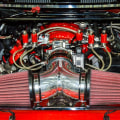
Engine tuning is a critical aspect of automotive performance that often goes misunderstood. At its core, engine tuning refers to the process of adjusting and optimizing various components of a vehicle's engine to enhance its performance, efficiency, and overall driving experience. This can involve a range of modifications, from simple adjustments to complex upgrades, all aimed at achieving a more responsive and powerful engine. Understanding the nuances of engine tuning is essential for any car enthusiast or owner looking to maximize their vehicle's potential.The benefits of engine tuning are manifold.
For starters, a well-tuned engine can significantly improve acceleration and power output, allowing for a more exhilarating driving experience. Additionally, tuning can lead to better fuel efficiency, which is particularly appealing in an age where fuel costs are ever-increasing. By optimizing the air-fuel mixture and improving combustion efficiency, drivers can enjoy both enhanced performance and reduced fuel consumption. Furthermore, tuning can also extend the lifespan of an engine by ensuring that it operates within its optimal parameters, reducing wear and tear on critical components.Moreover, engine tuning is not just about raw power; it also encompasses the fine-tuning of various systems within the vehicle.
This includes adjustments to the engine control unit (ECU), modifications to the exhaust system, and enhancements to intake systems. Each of these elements plays a vital role in how an engine performs under different conditions. By understanding how these components interact, car owners can make informed decisions about which modifications will yield the best results for their specific needs.In summary, engine tuning is a powerful tool for enhancing vehicle performance and efficiency. Whether you're looking to boost your car's horsepower or improve its fuel economy, understanding the principles behind engine tuning will empower you to make choices that align with your automotive goals.
As we delve deeper into this topic, we will explore common misconceptions surrounding engine tuning and provide insights into how you can effectively tune your vehicle for optimal performance.
The Benefits of Engine Tuning
Engine tuning offers a multitude of benefits that can significantly enhance your vehicle's performance. By optimizing various components of the engine, drivers can experience improvements in acceleration, fuel efficiency, and overall power output. Let's explore these advantages in detail.1.Improved Acceleration
One of the most noticeable benefits of engine tuning is the enhancement in acceleration. A well-tuned engine can respond more quickly to the driver's input, allowing for a more exhilarating driving experience.
This is achieved by adjusting the fuel-air mixture and optimizing ignition timing, which leads to a more efficient combustion process. As a result, your vehicle can achieve higher speeds in shorter time frames, making merging onto highways or overtaking other vehicles much easier.
2.Enhanced Fuel Efficiency
Contrary to popular belief, tuning your engine can actually improve fuel efficiency rather than decrease it. When an engine is tuned correctly, it operates at its optimal performance level, which means it burns fuel more efficiently. This is particularly beneficial for drivers who are concerned about rising fuel costs or those who want to reduce their carbon footprint.
By optimizing the air-fuel ratio and improving combustion efficiency, a tuned engine can lead to significant savings at the pump.
3.Increased Power Output
Another compelling reason to consider engine tuning is the potential for increased power output. Tuning can unlock additional horsepower and torque that may have been previously untapped in your vehicle's engine. This increase in power not only enhances performance but also improves towing capacity and overall drivability. Whether you're looking to enhance your daily commute or take your vehicle to the track, a tuned engine can provide the extra power needed for a thrilling ride.
4.Longevity of Engine Components
While some may worry that increasing power could lead to greater wear and tear on engine components, proper tuning can actually extend the lifespan of your engine.
By ensuring that all parts are functioning harmoniously and efficiently, tuning reduces unnecessary strain on components, leading to less frequent repairs and maintenance. A well-maintained engine is less likely to suffer from issues such as overheating or excessive wear, ultimately saving you money in the long run.In summary, the benefits of engine tuning are substantial and multifaceted. From improved acceleration and enhanced fuel efficiency to increased power output and longevity of engine components, tuning can transform your vehicle into a more efficient and enjoyable machine. If you're considering this modification, it's essential to consult with professionals who can tailor the tuning process to meet your specific needs and driving style.
Common Misconceptions About Engine Tuning
When it comes to engine tuning, a myriad of myths and misconceptions often cloud the understanding of car enthusiasts and everyday drivers alike.These misunderstandings can lead to hesitance in pursuing tuning options that could significantly enhance vehicle performance. Let’s take a closer look at some of the most common myths surrounding engine tuning and clarify the realities behind them.
Myth 1: Engine Tuning Voids Your Warranty
One of the most prevalent misconceptions is that any form of engine tuning will automatically void your vehicle's warranty. While it is true that certain modifications, particularly those involving the engine control unit (ECU), can affect warranty coverage, this is not a blanket rule. Many reputable tuning companies offer products and services that are designed to be warranty-friendly.
Additionally, manufacturers cannot void your entire warranty simply because you made a modification unless they can prove that the modification directly caused the issue.
Myth 2: Tuning Significantly Reduces Engine Lifespan
Another common belief is that tuning your engine will lead to premature wear and tear, ultimately shortening its lifespan. In reality, when done correctly by professionals, engine tuning can actually optimize performance and efficiency, which may reduce strain on certain components. For instance, a well-tuned engine can improve fuel-air mixture, leading to more efficient combustion and less carbon buildup. This can enhance longevity rather than detract from it.
Myth 3: All Tuning is the Same
Many people assume that all forms of tuning yield similar results or are equally effective.
However, this is far from the truth. The effectiveness of tuning depends on various factors including the type of vehicle, the specific modifications made, and the expertise of the technician performing the work. Custom tuning tailored to your vehicle's unique specifications will often yield better results than generic solutions.
Myth 4: Tuning Always Leads to Increased Fuel Consumption
A common fear among potential tuners is that enhancing engine performance will lead to higher fuel consumption. While it’s true that some high-performance setups may consume more fuel under heavy acceleration, a properly tuned engine can actually improve fuel efficiency by optimizing combustion processes.
This is particularly evident in turbocharged engines where reducing backpressure can lead to better fuel economy.By debunking these myths, it becomes clear that engine tuning offers numerous benefits when approached with knowledge and care. Understanding these misconceptions allows car owners to make informed decisions about enhancing their vehicles without unnecessary fear or hesitation.
How Engine Tuning Works
Engine tuning is a multifaceted process that involves various techniques aimed at enhancing a vehicle's performance. Understanding how engine tuning works is essential for anyone considering modifications to their car. The tuning process typically begins with a thorough assessment of the vehicle's current performance metrics, which can include horsepower, torque, and fuel efficiency.One of the most common methods of engine tuning is ECU remapping.The Engine Control Unit (ECU) is essentially the brain of the vehicle, managing various engine functions such as fuel injection, ignition timing, and air-fuel mixture. By remapping the ECU, tuners can adjust these parameters to optimize performance. This process often involves using specialized software to rewrite the factory settings, allowing for increased power output and improved throttle response.In addition to ECU remapping, the installation of performance parts plays a significant role in engine tuning. These parts are designed to enhance specific aspects of engine performance.
Common upgrades include:
- High-Performance Air Filters: These filters improve airflow into the engine, allowing for better combustion and increased power.
- Upgraded Exhaust Systems: A performance exhaust system reduces back pressure and enhances exhaust flow, which can lead to improved horsepower and torque.
- Turbos and Superchargers: Forced induction systems significantly increase the amount of air entering the engine, resulting in a substantial boost in power.
- Aftermarket Fuel Injectors: These injectors can deliver more fuel to the engine, which is essential when increasing power levels.
The Role of Professional Tuners
When it comes to engine tuning, the expertise of a professional tuner is invaluable.While some car enthusiasts may be tempted to attempt tuning their vehicles themselves, the risks associated with improper modifications can lead to significant issues down the line. Professional tuners possess the knowledge and experience necessary to optimize your engine's performance while minimizing potential damage.
Why Choose a Professional Tuner?
- Expertise and Experience: Professional tuners have spent years honing their skills and understanding the intricacies of various engine types. They are familiar with the specific needs of different makes and models, allowing them to tailor their approach for optimal results.
- Advanced Tools and Technology: A professional tuning shop is equipped with state-of-the-art diagnostic tools and software that are essential for accurate tuning. These tools enable tuners to analyze engine performance data, make precise adjustments, and ensure that everything is functioning as it should.
- Preventing Damage: One of the most significant advantages of hiring a professional is their ability to prevent costly mistakes.
Incorrect tuning can lead to engine knock, overheating, or even catastrophic failure. A skilled tuner knows how to avoid these pitfalls by making informed adjustments based on data rather than guesswork.
How to Choose the Right Tuner
Selecting a reputable tuner is crucial for achieving the best results. Here are some tips to help you find the right professional:
- Research: Look for reviews and testimonials from previous customers. Online forums and social media groups can provide insights into the experiences of other car enthusiasts.
- Ask About Their Experience: Inquire about the tuner's background, including their training and experience with your specific vehicle type.
A tuner who specializes in your car's make will likely have a better understanding of its unique requirements.
- Check for Certifications: Many professional tuners hold certifications from recognized organizations or manufacturers. These credentials can indicate a commitment to quality and ongoing education in the field.
Cost Considerations for Engine Tuning
When considering engine tuning, one of the most pressing questions for car enthusiasts and everyday drivers alike is the cost of engine tuning. The initial investment can vary significantly based on several factors, including the type of modifications you choose, the make and model of your vehicle, and the expertise of the tuning company you select.Typically, basic tuning services can start at around $300 to $500, which may include a simple ECU remap.However, more extensive modifications, such as upgrading performance parts or installing a new exhaust system, can push costs into the range of $1,000 to $5,000 or more. It's essential to weigh these costs against the potential benefits.
Is tuning worth it?
This question often arises after considering the upfront expenses. While the initial outlay may seem daunting, many drivers find that the performance enhancements and increased fuel efficiency can lead to significant long-term savings. A well-tuned engine can improve fuel economy by optimizing the air-fuel mixture and enhancing combustion efficiency.
This means that over time, you could see a reduction in fuel costs, which can offset the initial investment.Moreover, a tuned engine may experience less strain during operation, potentially leading to fewer repairs and maintenance issues down the line. For instance, a vehicle that runs more efficiently is less likely to suffer from problems related to overheating or excessive wear on engine components. This can translate into lower repair bills and extended vehicle lifespan.To further illustrate this point, consider a scenario where a driver invests $1,500 in tuning their vehicle. If this tuning results in a 10% improvement in fuel efficiency , and they drive an average of 15,000 miles per year with a fuel cost of $3 per gallon, they could save approximately $200 annually on fuel alone.
Over five years, that’s a total savings of $1,000, not accounting for potential savings on repairs.In conclusion, while the upfront costs of engine tuning can be significant, the potential for long-term savings on fuel and repairs makes it a worthwhile consideration for many drivers. By investing in quality tuning services from reputable professionals, you not only enhance your vehicle's performance but also set yourself up for financial benefits in the future.
Real-World Examples of Successful Engine Tuning
Engine tuning is not just a theoretical concept; it has been successfully implemented by countless car enthusiasts who have experienced remarkable transformations in their vehicles. Here are some compelling case studies that highlight the real-world benefits of engine tuning.Case Study 1: The Turbocharged Civic
One car enthusiast, John, decided to tune his Honda Civic, which was equipped with a turbocharged engine. Initially, the car produced around 180 horsepower.After consulting with a reputable tuning company, he opted for a custom ECU remap and upgraded the exhaust system. The results were astounding: his Civic now boasts an impressive 250 horsepower. John reported not only a significant increase in acceleration but also improved fuel efficiency, allowing him to enjoy spirited drives without breaking the bank at the gas station.
Case Study 2: The Classic Mustang Revival
Another success story comes from Sarah, who owns a classic Ford Mustang from the late 1960s. While she loved the vintage aesthetic, she found the performance lacking compared to modern standards.After researching engine tuning options, she decided to install a performance camshaft and upgrade the carburetor. The result? A boost from 250 to 350 horsepower! Sarah expressed her delight in how the tuning not only enhanced her driving experience but also revitalized her love for the classic car.
Case Study 3: The Family SUV Transformation
Even family vehicles can benefit from tuning. Mark, a father of three, wanted to improve his family SUV's performance without sacrificing comfort or safety. He chose to have a mild tune performed on his vehicle's engine management system.This simple adjustment increased torque significantly, making highway merging and city driving smoother and more responsive. Mark noted that the tuning also led to better fuel economy during long road trips, making it a win-win for his family.These examples illustrate that engine tuning can lead to substantial improvements in performance and efficiency across various types of vehicles. Whether it's enhancing power output or optimizing fuel consumption, the satisfaction derived from a well-tuned engine is evident among enthusiasts and everyday drivers alike.
Frequently Asked Questions About Engine Tuning
Engine tuning can be a complex topic, and many car enthusiasts have questions about its implications and benefits. Here are some of the most frequently asked questions regarding engine tuning:What is engine tuning?
Engine tuning refers to the process of adjusting or modifying a vehicle's engine to enhance its performance, efficiency, and overall driving experience.This can involve reprogramming the engine control unit (ECU), upgrading components like the exhaust system, or installing performance parts.
Will tuning my engine void my warranty?
This is a common concern among car owners. While certain modifications, particularly those involving the ECU, may void your warranty, many reputable tuning companies offer products and services that maintain your warranty. It's essential to check with your manufacturer and choose a professional tuner who understands warranty implications.How much power can I expect from an engine tune-up?
The power increase from an engine tune-up varies based on several factors, including the type of vehicle, existing modifications, and the specific tuning performed. On average, you might see an increase of 10-20% in horsepower and torque.However, turbocharged engines often experience more significant gains due to their ability to handle increased air and fuel flow.
Is engine tuning safe for my vehicle?
When performed correctly by a qualified professional, engine tuning is generally safe and can even prolong your engine's lifespan by optimizing performance. However, improper tuning can lead to excessive wear or damage. Always ensure that you work with experienced technicians who understand your vehicle's specific needs.Can I tune my engine myself?
While some enthusiasts may attempt DIY tuning using software or handheld devices, it is not recommended unless you have extensive knowledge of automotive mechanics and tuning principles. Mistakes in tuning can lead to serious engine issues.It’s best to consult with professionals who have the right tools and expertise.
What are the benefits of engine tuning?
- Improved Performance: Enhanced acceleration and responsiveness.
- Increased Fuel Efficiency: Optimized fuel-air mixture can lead to better mileage.
- Customization: Tailor your vehicle's performance characteristics to suit your driving style.
Conclusion: The Future of Engine Tuning
As we draw this exploration of engine tuning to a close, it’s essential to reflect on the transformative potential that proper tuning holds for vehicle performance. Throughout this article, we have delved into the various aspects of engine tuning, debunking myths and clarifying misconceptions that often cloud the understanding of this powerful modification.One of the most significant takeaways is that engine tuning is not merely about enhancing power; it’s about optimizing the entire driving experience. By adjusting parameters such as fuel-air mixtures and ignition timing, a well-tuned engine can achieve remarkable improvements in fuel efficiency, torque, and overall responsiveness. This optimization not only leads to a more exhilarating drive but also contributes to long-term savings on fuel costs.Moreover, we’ve established that while some may fear that tuning could void warranties or lead to engine damage, these concerns can often be mitigated by choosing reputable tuning professionals who understand the intricacies of modern engines.The importance of professional expertise cannot be overstated; a skilled technician can ensure that modifications are executed correctly, preserving both performance and reliability.Looking ahead, the future of engine tuning appears bright. With advancements in technology, such as ECU remapping and the integration of artificial intelligence in tuning processes, car enthusiasts can expect even more precise and effective modifications. These innovations will likely make tuning more accessible and tailored to individual driving styles and preferences.In conclusion, understanding the nuances of engine tuning empowers car owners to make informed decisions about their vehicles. Whether you’re seeking enhanced performance for daily driving or aiming for competitive racing, professional engine tuning stands out as a viable option worth considering.
As automotive technology continues to evolve, embracing these advancements will undoubtedly lead to a more thrilling and efficient driving experience.