Car maintenance is an essential aspect of vehicle ownership that often gets overlooked. Many drivers tend to focus on the immediate needs of their cars, such as fuel and oil changes, while neglecting the broader picture of regular upkeep. Understanding the importance of car maintenance can significantly impact not only the longevity of your vehicle but also its performance and safety on the road. Regular car care is not just about keeping your vehicle looking good; it’s about ensuring that every component functions optimally, which ultimately saves you time and money in the long run.One of the most critical components of car maintenance is the tune-up.
A tune-up involves a series of checks and adjustments designed to keep your engine running smoothly. This process can help identify potential issues before they escalate into costly repairs. By investing in regular tune-ups, you are proactively maintaining your vehicle's health, which can lead to improved fuel efficiency, reduced emissions, and enhanced overall performance. Moreover, a well-maintained car is less likely to break down unexpectedly, providing peace of mind during your travels.In addition to tune-ups, regular maintenance encompasses a variety of tasks such as checking fluid levels, inspecting brakes, and monitoring tire health.
Each of these elements plays a vital role in your vehicle's operation. For instance, neglecting brake maintenance can lead to dangerous situations on the road, while under-inflated tires can affect handling and fuel economy. Therefore, understanding car maintenance as a holistic practice is crucial for every driver.Ultimately, prioritizing regular car care not only enhances your driving experience but also contributes to the safety of you and your passengers. By committing to a routine maintenance schedule that includes tune-ups and other essential checks, you ensure that your vehicle remains reliable and efficient for years to come.
What is a Tune-Up?
A tune-up is a vital aspect of vehicle maintenance that involves a series of checks and adjustments to ensure your car operates efficiently.Traditionally, the term referred to a comprehensive service that included various components of the engine and ignition system. However, as automotive technology has advanced, the definition of a tune-up has evolved significantly.In its most basic form, a tune-up aims to enhance engine performance, improve fuel efficiency, and reduce emissions. It typically includes:
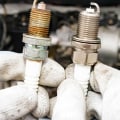
- Replacing Spark Plugs: Spark plugs are crucial for igniting the air-fuel mixture in the engine. Over time, they can wear out or become fouled, leading to misfires and reduced efficiency.
Regular replacement ensures optimal combustion.
- Checking Ignition Timing: Proper ignition timing is essential for engine performance. A tune-up often involves adjusting the timing to ensure that the spark occurs at the right moment for maximum power and efficiency.
- Inspecting Fuel Filters: Clogged fuel filters can restrict fuel flow to the engine, affecting performance. During a tune-up, mechanics will check and replace these filters as necessary.
- Examining Air Filters: Clean air filters are vital for maintaining proper airflow into the engine. A tune-up typically includes replacing dirty air filters to enhance engine breathing.
- Testing Battery and Electrical Systems: A healthy battery and electrical system are crucial for starting your vehicle and powering its components.
Tune-ups often involve testing these systems to prevent unexpected failures.
The Key Benefits of Regular Tune-Ups
Regular tune-ups are essential for maintaining the overall health of your vehicle.They offer a multitude of benefits that can significantly enhance your driving experience and prolong the life of your car. Here are some key advantages of keeping up with regular tune-ups:
- Improved Fuel Efficiency: One of the most immediate benefits of a tune-up is improved fuel efficiency. When your engine is running optimally, it consumes fuel more efficiently, which can lead to noticeable savings at the pump. Regular maintenance ensures that components such as spark plugs and air filters are clean and functioning properly, allowing for better combustion and reduced fuel consumption.
- Enhanced Engine Performance: A well-tuned engine performs better.
Regular tune-ups help identify and rectify issues before they escalate into major problems. This includes checking the ignition system, fuel injectors, and exhaust systems, all of which contribute to smoother acceleration and overall performance. A car that runs well not only feels better to drive but also responds more effectively to your commands.
- Increased Vehicle Lifespan: Just like any other machine, your car benefits from regular care. By investing in routine tune-ups, you can extend the lifespan of your vehicle significantly.
Addressing minor issues during a tune-up can prevent them from developing into costly repairs down the line, ultimately saving you money and keeping your car on the road longer.
- Reduced Emissions: Regular tune-ups can also contribute to a cleaner environment. A well-maintained engine produces fewer emissions, which is beneficial for both air quality and compliance with environmental regulations. This is particularly important as more cities implement stricter emissions standards.
- Increased Safety: Safety should always be a priority when it comes to vehicle maintenance. Regular tune-ups help ensure that critical systems such as brakes, steering, and suspension are functioning correctly.
This not only enhances your safety but also that of other road users.
Preventative Maintenance: A Smart Investment
Investing in regular tune-ups and preventative maintenance for your vehicle is not just a matter of keeping it running smoothly; it’s a strategic financial decision that can lead to significant cost savings over time. By addressing minor issues before they escalate into major problems, you can avoid the hefty repair bills that often accompany neglected maintenance.One of the primary benefits of regular tune-ups is the early detection of potential issues. For instance, a simple inspection during a tune-up can reveal worn-out spark plugs or a failing battery.If these components are replaced promptly, you can prevent more serious complications, such as engine misfires or complete battery failure, which could leave you stranded and require costly roadside assistance.Moreover, maintaining your vehicle through regular tune-ups can enhance its fuel efficiency. A well-tuned engine operates more efficiently, which means you’ll spend less on gas. According to the U. S.
Department of Energy, fixing a car that has failed an emissions test can improve fuel economy by 4% on average. Over time, these savings can add up significantly, especially if you drive frequently or have a long commute.Additionally, regular maintenance helps preserve the resale value of your vehicle. A car that has been well cared for and has a documented history of tune-ups and repairs is more attractive to potential buyers. This means that when it comes time to sell or trade in your vehicle, you could receive a higher price compared to a similar model that has been neglected.In summary, investing in preventative maintenance through regular tune-ups is a smart financial strategy.
Not only does it help you avoid unexpected repair costs, but it also improves fuel efficiency and maintains your vehicle's value. By prioritizing your car's health today, you are ensuring a more economical and reliable driving experience in the future.
Signs Your Car Needs a Tune-Up
Recognizing the signs that your car needs a tune-up is essential for maintaining its performance and longevity. Ignoring these indicators can lead to more significant issues down the road, potentially resulting in costly repairs or even dangerous situations on the road. Here are some common symptoms that suggest it might be time for a tune-up:- Decreased Fuel Efficiency: If you notice that you're filling up your gas tank more frequently than usual, it could be a sign that your engine isn't running as efficiently as it should.
A tune-up can help restore optimal fuel efficiency by ensuring that components like spark plugs and air filters are in good condition.
- Rough Idling: When your car is idling, it should run smoothly without any vibrations or unusual noises. If you experience rough idling or stalling, it may indicate that your engine needs attention. A tune-up can address issues with the ignition system or fuel delivery.
- Engine Warning Light: The check engine light is a clear indicator that something is amiss under the hood. While it could be a minor issue, it's best to have your vehicle checked out promptly.
A tune-up can help diagnose and resolve the underlying problem.
- Difficulty Starting: If your car struggles to start or requires multiple attempts to turn over, this could signal a failing battery, starter, or ignition system. Regular tune-ups can help identify these issues before they escalate.
- Noisy Engine: Unusual sounds coming from your engine, such as knocking or pinging, can indicate problems with the combustion process. A tune-up can help ensure that all components are functioning correctly and reduce engine noise.
- Frequent Stalling: If your vehicle stalls frequently while driving, it’s a serious concern that requires immediate attention. This could be due to fuel delivery issues or problems with the ignition system, both of which can be addressed during a tune-up.
Consult your owner's manual for specific recommendations on when to get a tune-up. Generally, it's advisable to have one every 10,000 to 20,000 miles, depending on driving conditions and habits.By staying vigilant and addressing these signs early on, you can ensure that your vehicle remains reliable and safe for all your journeys.
How Often Should You Get a Tune-Up?
Determining how often you should get a tune-up is essential for maintaining your vehicle's performance and longevity. While many mechanics suggest a general guideline of every 20,000 to 30,000 miles, the ideal frequency can vary significantly based on several factors.Mileage Considerations:
The most straightforward way to gauge when to schedule a tune-up is by tracking your mileage. If you drive your car frequently or cover long distances, you may need to consider more frequent tune-ups.
For instance, if you travel over 15,000 miles annually, aiming for a tune-up every 10,000 to 15,000 miles could be beneficial.
Driving Conditions:
The environment in which you drive plays a crucial role in determining your tune-up schedule. If you often drive in harsh conditions—such as extreme temperatures, heavy traffic, or on rough roads—you may need to adjust your maintenance routine. Here are some specific conditions to consider:
- Stop-and-Go Traffic: Frequent idling and short trips can lead to increased wear on engine components. In such cases, more regular tune-ups are advisable.
- Extreme Weather: Hot summers and cold winters can affect engine performance.
If you live in an area with extreme weather conditions, consider more frequent checks.
- Towing or Heavy Loads: If you regularly tow trailers or carry heavy loads, your engine works harder and may require more frequent maintenance.
Manufacturer Recommendations:
Always refer to your vehicle's owner manual for specific recommendations regarding tune-up intervals. Manufacturers often provide tailored schedules based on the make and model of your car. Following these guidelines can help ensure that your vehicle remains in optimal condition.
Signs Your Car Needs a Tune-Up:
In addition to following a mileage schedule, pay attention to signs that indicate your car may need a tune-up sooner than expected. These signs include:
- Poor fuel efficiency
- Difficulty starting the engine
- Unusual noises from the engine
- Rough idling or stalling
- Decreased acceleration
Modern Cars and Tune-Ups: What Has Changed?
As automotive technology has advanced, the concept of a tune-up has evolved significantly.In the past, tune-ups were essential for maintaining vehicle performance, often involving a series of manual adjustments and replacements of various components. However, modern cars have integrated sophisticated systems that change the way we approach maintenance.One of the most notable changes is the shift from mechanical to electronic systems. Older vehicles relied heavily on mechanical components such as carburetors and distributors, which required regular adjustments to ensure optimal performance. In contrast, modern vehicles utilize electronic fuel injection (EFI) systems and onboard diagnostics (OBD) that automatically adjust fuel delivery and ignition timing based on real-time data.
This means that many traditional tune-up tasks are no longer necessary.For instance, in older models, a typical tune-up would include:
- Cleaning or replacing the carburetor
- Adjusting ignition points
- Replacing spark plugs and wires
- Checking and adjusting timing
- Replacing spark plugs (which can last up to 100,000 miles)
- Changing engine oil and filters
- Inspecting air filters and fluid levels
- Running diagnostic tests using OBD-II scanners to identify any issues
Understanding these changes can help car owners make informed decisions about their vehicle's care.
DIY vs. Professional Tune-Ups: Which is Right for You?
When it comes to maintaining your vehicle, one of the most significant decisions you'll face is whether to perform a DIY tune-up or to seek the expertise of a professional mechanic. Each option has its own set of advantages and disadvantages, and understanding these can help you make an informed choice that best suits your needs.Benefits of DIY Tune-Ups
Opting for a DIY tune-up can be appealing for several reasons:- Cost Savings: Performing maintenance tasks yourself can save you money on labor costs. Basic tools and parts are often less expensive than paying for professional services.
- Learning Experience: Engaging in DIY maintenance allows you to learn more about your vehicle.
This knowledge can empower you to handle minor repairs in the future.
- Convenience: You can schedule your tune-up at your convenience, without needing to book an appointment or wait for service at a shop.
Challenges of DIY Tune-Ups
However, there are also challenges associated with DIY tune-ups:- Lack of Expertise: If you're not familiar with automotive systems, you may overlook critical issues or perform tasks incorrectly, potentially leading to more significant problems down the line.
- Time-Consuming: Depending on your skill level, a DIY tune-up can take longer than anticipated, especially if you encounter unexpected complications.
- Limited Tools: Some maintenance tasks require specialized tools that may not be readily available to the average car owner.
The Case for Professional Tune-Ups
On the other hand, seeking professional help for your tune-up offers its own set of benefits:- Expertise and Experience: Professional mechanics have extensive training and experience, allowing them to diagnose and address issues that may not be apparent to an untrained eye.
- Comprehensive Service: A professional tune-up often includes a thorough inspection of various systems in your vehicle, ensuring that all potential issues are identified and addressed.
- Warranty Protection: Many repair shops offer warranties on their work, providing peace of mind that if something goes wrong after the service, it will be taken care of without additional costs.
Making Your Decision
Your choice between a DIY tune-up and professional service should depend on several factors:- Your level of comfort and experience with car maintenance.
- The complexity of the tasks required for your vehicle's tune-up.
- Your budget and how much you're willing to invest in maintenance.
Frequently Asked Questions About Tune-Ups
When it comes to car maintenance, many vehicle owners have questions about the necessity and frequency of tune-ups. Below are some of the most frequently asked questions that can help clarify common misconceptions and provide a better understanding of what a tune-up entails.What exactly is a tune-up?
A tune-up refers to a series of maintenance tasks performed on a vehicle to ensure its engine runs efficiently. This can include replacing spark plugs, checking ignition timing, and inspecting various engine components.While the specifics may vary depending on the make and model of your car, the goal remains the same: to enhance performance and prolong the life of your vehicle.
How often should I get a tune-up?
The frequency of tune-ups can depend on several factors, including your vehicle's age, driving habits, and manufacturer recommendations. Generally, it is advisable to have a tune-up every 10,000 to 20,000 miles. However, consulting your owner’s manual or a trusted mechanic can provide tailored advice based on your specific situation.What are the signs that my car needs a tune-up?
- Decreased fuel efficiency: If you notice that you are filling up more often than usual, it may be time for a tune-up.
- Rough idling: If your engine is shaking or vibrating while idling, this could indicate that it needs attention.
- Difficulty starting: Trouble starting your vehicle can be a sign that spark plugs or other components need replacement.
- Check engine light: If this light comes on, it’s essential to have your vehicle checked as it may indicate an issue that could be resolved with a tune-up.
Are modern cars still in need of tune-ups?
Yes, even modern vehicles require periodic maintenance. While advancements in technology have changed what a tune-up involves—such as longer-lasting spark plugs and more sophisticated engine management systems—the fundamental need for regular checks remains.Ignoring these can lead to more significant issues down the line.
Can I perform a tune-up myself?
While some aspects of a tune-up, like changing air filters or spark plugs, can be done by DIY enthusiasts, others may require specialized tools and knowledge. If you’re unsure about any part of the process, it’s best to consult with a professional mechanic to ensure everything is done correctly.Understanding these common questions about tune-ups can help you maintain your vehicle better and avoid costly repairs in the future. Regular maintenance not only keeps your car running smoothly but also enhances safety on the road.Conclusion: The Importance of Regular Tune-Ups for Your Vehicle's Health
In summary, the significance of regular tune-ups cannot be overstated when it comes to maintaining your vehicle's health and performance. As we have explored throughout this article, a tune-up is not merely a routine task; it is a proactive approach to ensuring that your car operates efficiently and reliably.Regular tune-ups offer numerous benefits, including:- Enhanced Performance: A well-tuned engine runs smoother, accelerates better, and provides a more enjoyable driving experience.
- Improved Fuel Efficiency: By addressing issues such as worn spark plugs or clogged filters, tune-ups can lead to significant savings at the pump.
- Extended Vehicle Lifespan: Consistent maintenance helps prevent major breakdowns and costly repairs, ultimately prolonging the life of your vehicle.
- Increased Safety: Regular inspections during a tune-up can identify potential safety hazards before they become serious problems.
- Environmental Benefits: A well-maintained engine produces fewer emissions, contributing to a cleaner environment.
While some manufacturers recommend a tune-up every 20,000 to 30,000 miles, others may suggest shorter intervals. It is essential to consult your owner’s manual or a trusted mechanic to determine the best schedule for your specific vehicle.In conclusion, prioritizing regular tune-ups is an investment in your vehicle's future. By committing to this essential aspect of car maintenance, you not only enhance your driving experience but also ensure that your vehicle remains safe and reliable for years to come. Don't wait for warning signs or performance issues to arise; take charge of your car's health today with regular tune-ups.